There was a time, not so long ago, when serving game at dinner risked provoking an awkward silence. Venison meat was viewed by many as the preserve of tweed-clad enthusiasts. Pheasant occupied a niche somewhere between country-house tradition and rural controversy. Wild rabbit, partridge and wood pigeon rarely appeared beyond specialist butchers and a handful of determined gastropubs.
Yet something remarkable has happened.
Quietly, and with surprisingly little fanfare, game meat has moved from the margins towards the mainstream. What was once regarded as a specialist countryside product is increasingly finding its place in supermarket aisles, school kitchens, NHS menus and family dinner tables. The shift has been so gradual that many have scarcely noticed it. But look closely and it represents one of the most significant changes in Britain’s relationship with food in a generation.
How Sustainability Is Driving Demand for Local Food
Part of the explanation lies in a changing national conversation about sustainability.
During the Covid lockdowns, millions of people rediscovered the countryside. Walking became a national pastime. Interest in local food surged. Consumers who once thought little about where their meat originated began asking questions about food miles, animal welfare, biodiversity and environmental impact. The search for food that was local, natural and sustainably sourced accelerated dramatically.
In that context, game began to look less controversial and more logical.
What Is Venison Steak and Why Is It Growing in Popularity?
Venison, after all, is not farmed in the conventional sense. Britain’s deer population has reached historically high levels, creating significant ecological challenges. Forestry experts, conservationists and government agencies have repeatedly highlighted the damage that unmanaged deer populations can cause to young woodland, biodiversity and natural regeneration.
It was therefore notable that recent governments have increasingly supported deer management as part of wider environmental policy. What might once have been framed purely as a sporting activity is now frequently discussed in the language of conservation and habitat restoration. The message is straightforward: healthy woodlands require balanced deer populations.
The consequence is a growing recognition that if deer are being culled for ecological reasons, utilising the resulting meat is not merely sensible but responsible.
Why Venison Steak Is Considered a Sustainable Protein Source
The same principle applies across much of Britain’s game sector. Why import intensively farmed protein from thousands of miles away when nutritious, wild, free-ranging meat exists on our doorstep?
Perhaps the biggest surprise is how little opposition this argument now encounters.
Even some of the country’s most prominent environmental voices have acknowledged the role that responsible deer management can play in protecting woodland ecosystems. Conservation organisations, forestry experts and academic researchers increasingly discuss sustainable harvesting as part of broader landscape management. The debate today is far more nuanced than the caricatures that once dominated public discussion.
Meanwhile, Britain’s supermarkets have sensed the change. Venison is no longer difficult to find. Game products appear with increasing frequency in major retailers. Alongside the growth of local sourcing, consumers have become comfortable purchasing foods that were once considered specialist — wild venison sitting alongside Scottish salmon, trout and other premium British produce.
This normalisation matters.
Food habits are rarely transformed by policy papers. They change when products become visible, accessible and familiar. The presence of game in mainstream retail has helped remove much of the mystery.
So too has the enthusiasm of Britain’s culinary establishment.
The Role of Celebrity Chefs in Popularising Game Meat
Celebrity chefs have played a significant role in reshaping perceptions. From Marco Pierre White to James Martin, from Dick and Angel Strawbridge to Merlin Griffiths, high-profile advocates have helped present game not as an eccentric countryside indulgence but as flavourful, versatile and deeply rooted in British food culture.
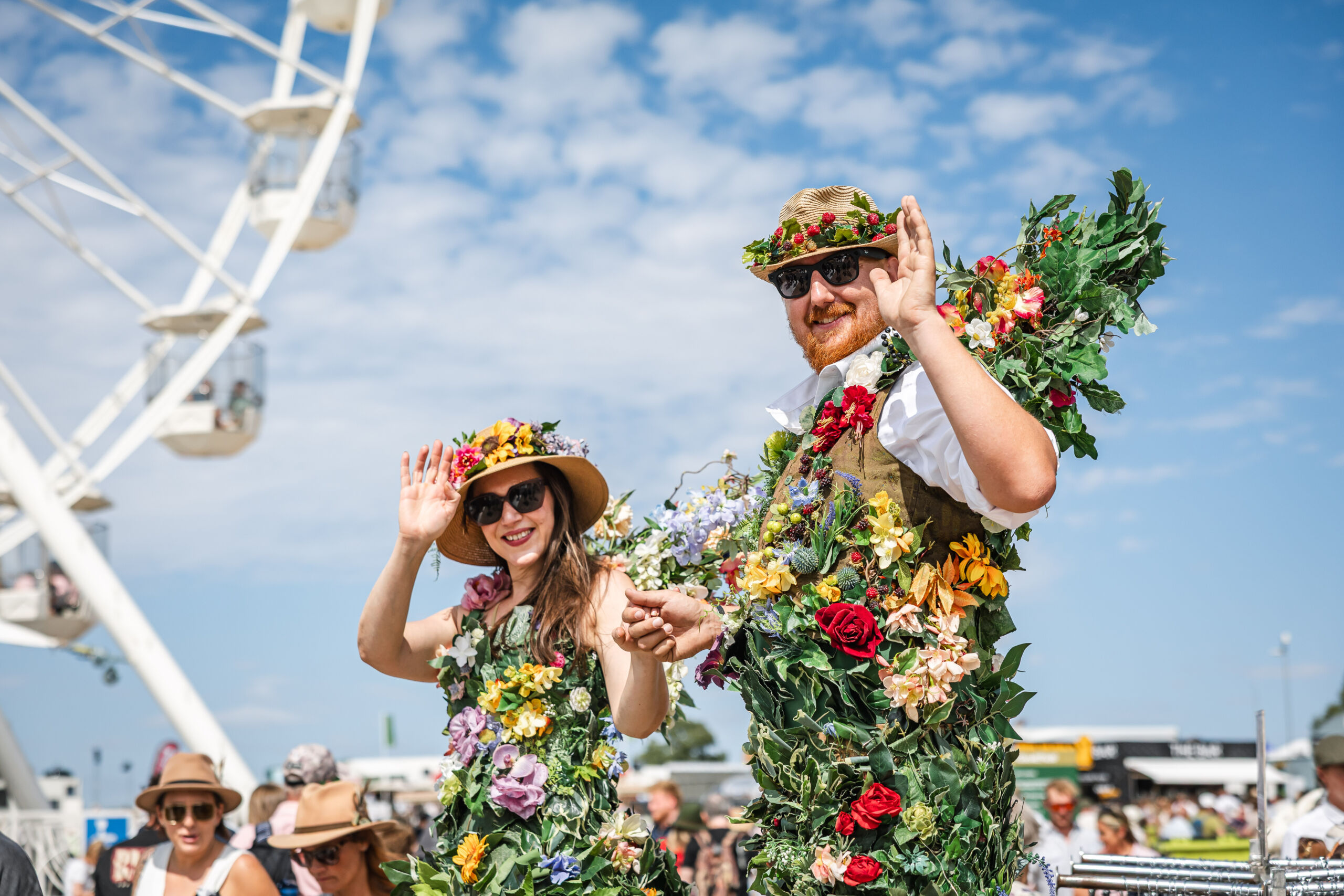
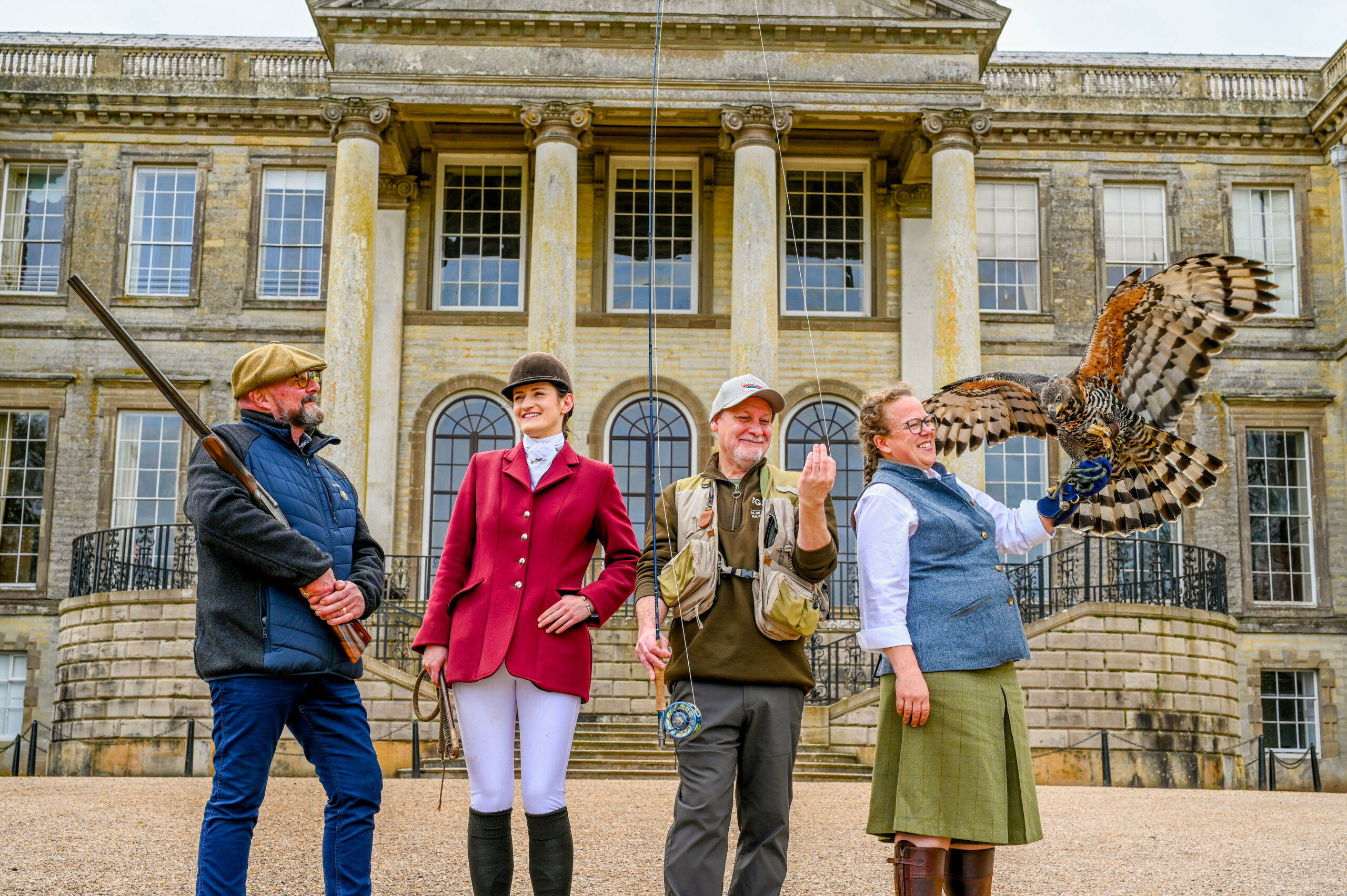
The annual Game Fair has also been instrumental. What was once viewed primarily as a countryside event has increasingly become a celebration of food, sustainability and British rural heritage. Visitors encounter not only shooting and field sports but chefs, producers, conservationists and food educators making the case for game as a modern dietary choice.
Why Environmentally Conscious Consumers Choose Venison Steak
The result is that game has become surprisingly uncontroversial.
Indeed, among a growing section of consumers, it is actively preferred. Many see wild venison as a more ethical alternative to intensively farmed meat. The animals live naturally, require no feedlots, no imported soy, no intensive housing and no antibiotics. For environmentally conscious consumers, those characteristics are increasingly persuasive.
There is also a sense of rediscovery. Britain has a long culinary history with game. Venison, pheasant, partridge, rabbit and pigeon have featured on menus for centuries. Far from being an exotic newcomer, game is among the oldest food traditions in the country.
What is changing is not the product itself but society’s perception of it.
The modern British consumer is more likely than previous generations to value provenance, sustainability and local production. In that environment, game possesses an unexpectedly strong story to tell.
The Future of Venison Steak in Britain’s Food Culture
None of this means every debate has been settled. Questions around access, affordability and education remain. But the direction of travel appears clear.
A decade ago, the idea that game meat might appear in schools, hospitals, supermarkets and mainstream restaurant menus would have surprised many observers. Today it feels increasingly normal.
The real surprise may not be that Britain has embraced game. It may be that it took so long.
As policymakers, conservationists, chefs and consumers continue to search for sustainable sources of protein, Britain’s oldest wild food appears to have found a distinctly modern purpose.
The future of game in Britain may ultimately prove less about tradition than about practicality. Local, natural, sustainable and increasingly accepted, it has moved beyond its stereotypes and into the national conversation.
For a food once viewed as niche, that represents a remarkable transformation.
On This Page