Turkey doesn’t have to have Christmas entirely to itself.
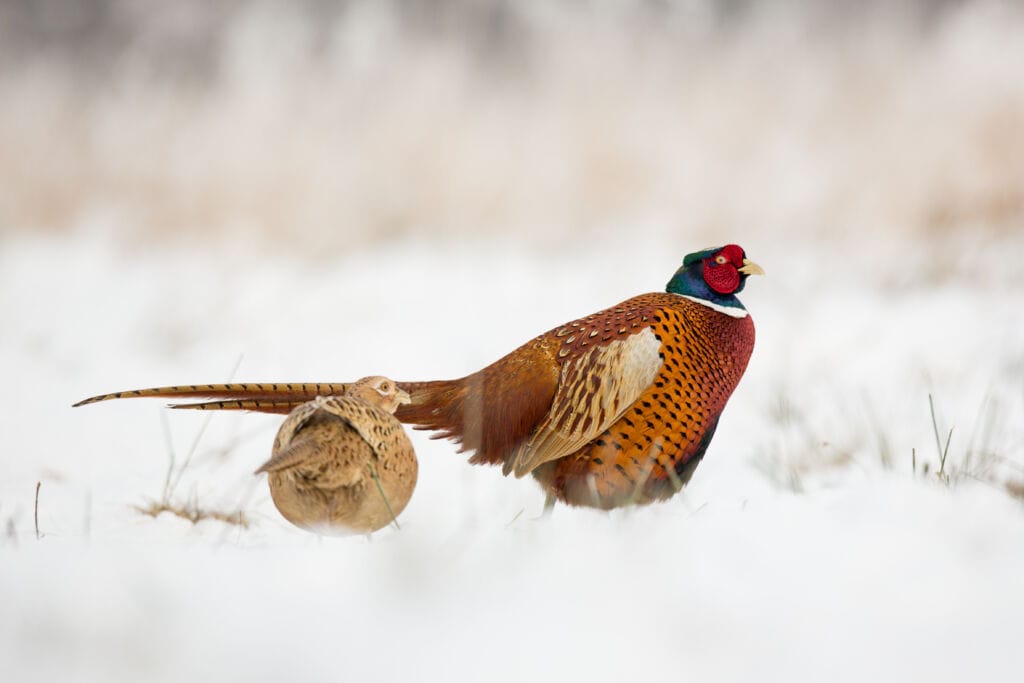
December falls right in the middle of the game season, making Christmas a particularly good time to cook British pheasant and venison.
Both work naturally with the flavours already on the Christmas table, but neither needs to become an elaborate restaurant dish.
If you’re cooking game for guests who don’t eat it regularly, these are two very good places to start.
Christmas pheasant: keep the roast simple
A roast pheasant makes sense at Christmas because most of the accompaniments are already taken care of.
Think roast potatoes, bread sauce, sprouts, pigs in blankets and a proper gravy. Redcurrant sauce works well too if there’s already a jar open for the turkey.
The important thing is not to treat pheasant exactly like chicken.
Pheasant is a lean meat and can dry out if overcooked. BASC’s game cookery guidance recommends using fat when roasting gamebirds – butter or streaky bacon are the obvious options – to help keep the bird moist. (Source: BASC – Game Changers: Cooking Game Hacks)
For a Christmas table, let the bird remain the interesting bit.
It doesn’t need half a dozen unusual ingredients simply because it’s game.
Feeding a crowd? Make pheasant pie
This is where whole pheasants become slightly less convenient.
If you’ve got a table full of people coming, consider pheasant pie instead.
It can be prepared ahead, makes good use of different parts of the bird and doesn’t leave you trying to carve several small pheasants while everybody else is already eating.
Pheasant works particularly well with leeks, mushrooms and bacon, with a creamy or mustard-led sauce underneath good pastry.
It’s also an excellent Boxing Day option if you’ve got birds in the freezer and have had quite enough turkey.
And unlike a roast, much of the work can be done before anyone arrives.
At Christmas, that’s an ingredient in its own right.
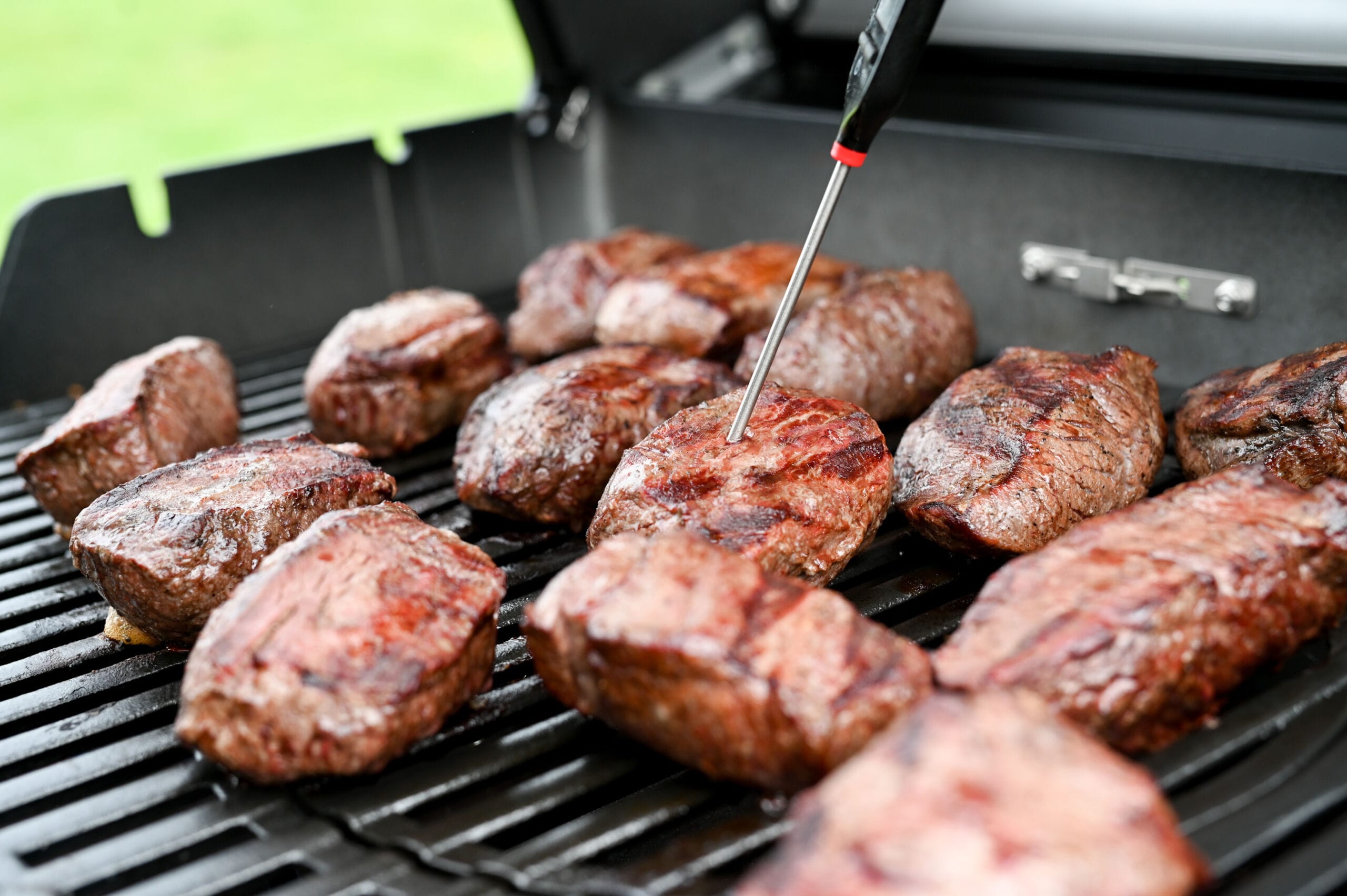
Venison makes a very good Christmas centrepiece
For something richer, use venison.
A good venison haunch can make an impressive alternative to the usual Christmas roast and works naturally with winter flavours such as rosemary, juniper, redcurrant, blackberry and root vegetables.
But the cooking method should depend on the cut.
Tender loin and suitable muscles from the haunch need very different treatment from shoulder, neck and other harder-working cuts, which are better given time in a braise or casserole.
The British Deer Society similarly recommends tender cuts for quick cooking, while shoulder, neck and shank lend themselves to slower methods. (Source: British Deer Society – Cooking with Venison)
If you’re buying venison specifically for Christmas, tell your butcher or game dealer how many people you’re feeding and what you want to cook rather than simply asking for “a joint of venison”.
You’ll probably get a more useful answer.
Or cook the venison before Christmas Day
Not everybody wants another roast.
A slow-cooked venison casserole can be made ahead and reheated, which is no bad thing when the oven is already fighting for space with potatoes, stuffing and everything else.
Use shoulder, neck or diced stewing venison with red wine or good stock, onions and mushrooms.
Serve it with mash, roast roots or buttery greens.
A venison ragù can do much the same job for a more informal Christmas gathering, while a pie gives you something that can largely be assembled before guests arrive.
They may not look as theatrical as a Wellington.
On a cold December evening, it’s difficult to argue with them.
What should you serve with Christmas game?
You probably already have most of it.
Parsnips, carrots, sprouts, celeriac, mushrooms, red cabbage and roast potatoes all work well with pheasant and venison.
For something sharper, blackberry, cranberry or redcurrant can cut through richer sauces and accompaniments.
That’s one of the advantages of putting game on the Christmas menu.
You don’t need to reinvent the rest of Christmas dinner around it.
Don’t forget Boxing Day
Leftover game is far too useful to disappear at the back of the fridge.
Cooked pheasant can go into pies, sandwiches or curry, while leftover cooked venison can work in sandwiches, a hash or alongside pickles and cold Christmas leftovers.
Just remember that leftovers need handling properly. The Food Standards Agency advises cooling cooked food and getting it into the fridge within one to two hours, then eating refrigerated leftovers within 48 hours or freezing them. When reheating, food should be steaming hot throughout and should only be reheated once. (Source: Food Standards Agency – Christmas Food Hygiene)
And if you’ve got uncooked venison trim from butchery, make good use of it too. Suitable trim can go through the mincer, while bones and appropriate trimmings can earn their keep in stock.
Keep Christmas game simple
Cooking game at Christmas doesn’t require rewriting the whole menu.
Roast the pheasant. Make a pie for a crowd. Choose the right venison cut for the job. Give the slower cuts time.
Then let good winter ingredients do the rest.
If you’re going to put something different on the Christmas table this year, December is a very good time to make the most of British game.